

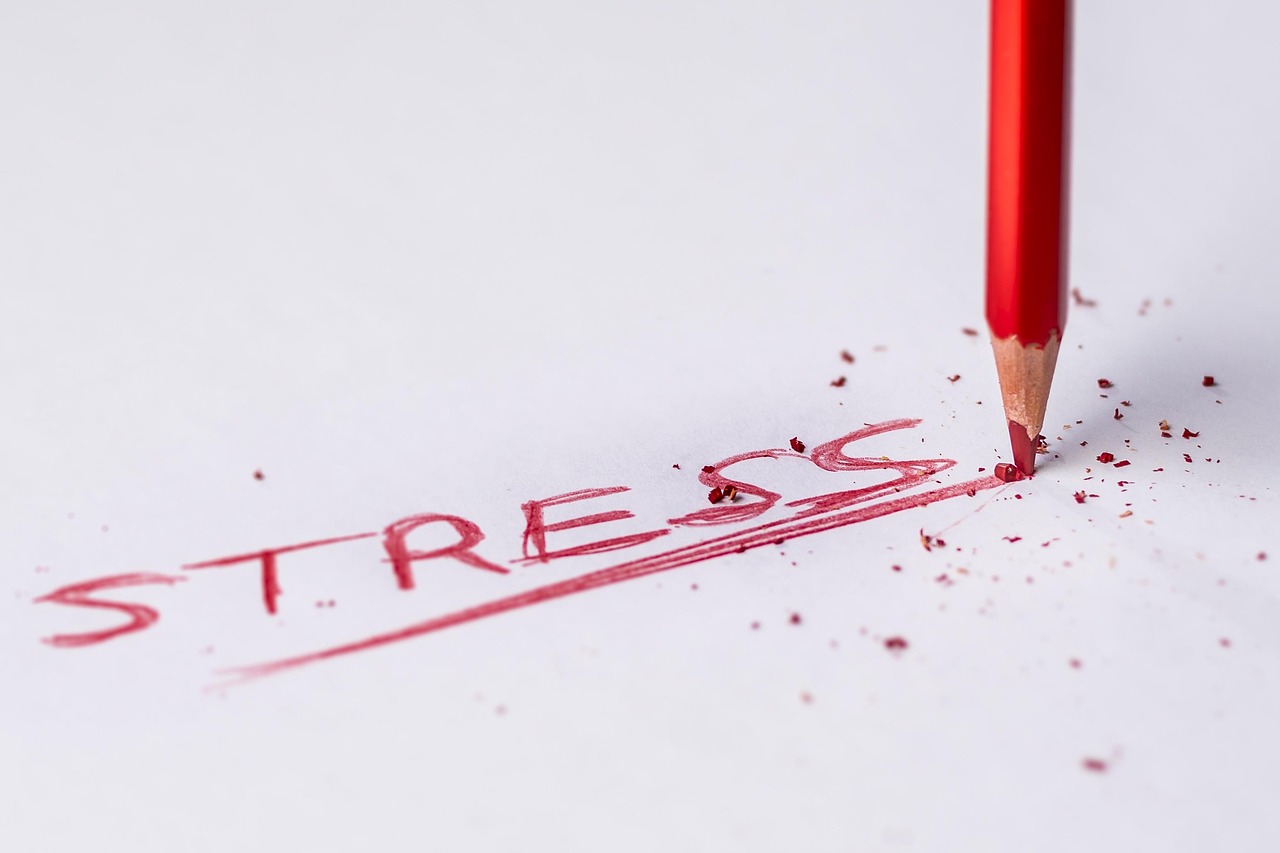
So, you’ve got a problem with stress. You’ve tried the bubble bath. You’ve bought the planner with the motivational quote on the cover. You’ve announced, that next month will be calmer. It wasn’t.
Here’s the slightly rude truth: most of us don’t have a stress problem so much as a stress reaction problem. The deadline, the overflowing inbox and the group chat that never sleeps are just things that happen. What turns them into a three-day spiral is what your brain and body do in the first few seconds.
That’s good news, because reactions are trainable. Emotional intelligence (EI) gives us a map. Daniel Goleman’s well-known model has five components: self-awareness, self-regulation, motivation, empathy and social skills. We’re covering only the first two here, because they’re the foundation. Working on your social skills while your nervous system is on fire is like hanging pictures in a house with no roof.
Step one is knowing what’s happening. Step two is doing something useful about it. Simple, not easy, and entirely learnable.
Step 1: Self-awareness (notice the smoke before the fire alarm)
Self-awareness means recognising what you feel, when you feel it and what set it off. Sounds obvious. Yet most people run on autopilot until they snap at a colleague over a stapler, then wonder where that came from. (It came from Tuesday. It’s been building since Tuesday.)
1. Name it to tame it
Putting feelings into words has a measurable effect on the brain. In an fMRI study published in Psychological Science, researchers found that labelling emotions reduced amygdala responses to negative images compared with other tasks. It also increased activity in the right ventrolateral prefrontal cortex, part of a pathway the authors link to dampened emotional reactivity. In plain English, naming the feeling seems to turn down the alarm bell. The lab used pictures, not your manager’s 4:55pm “quick chat?” email, so treat this as a promising mechanism rather than a magic spell.
Do this: When you notice tension, finish this sentence silently or on paper: “I’m feeling ___ because ___.” One line. No essays, no self-diagnosis.
2. Retire the word “stressed”
“Stressed” is the junk drawer of emotional vocabulary. Worry, irritation, exhaustion, embarrassment and dread all get shoved in together. Researchers call the skill of telling these states apart emotional granularity. A 2022 editorial in Frontiers in Psychology summarising the field notes that people with low granularity tend to be less successful at downregulating negative emotions. It also reports work suggesting higher granularity buffers the effects of stress on sleep quality. Precision, it turns out, is practical.
Different feelings need different fixes. Overwhelmed needs a shorter to-do list. Resentful needs a boundary. Under-prepared needs an hour of prep. Tired needs a nap, not a mindset shift.
Do this: Next time you catch yourself saying “I’m stressed,” add three more specific words. Try overwhelmed, rushed, unappreciated, anxious, irritated, flat, dreading or embarrassed. Then ask what that particular feeling actually needs.
3. Catch the early warning signs
Your body files its complaints long before your mind reads them. Clenched jaw, hunched shoulders, shallow breathing, compulsive email refreshing. Most people notice stress at about an 8 out of 10, which is roughly when it has already driven the car into a hedge.
Do this: Rate your stress from 0 to 10 three times a day, attached to habits you already have. Check in before you open your email, after lunch and before you leave work. Run a 30-second scan from forehead to toes as you do it. The goal is to catch things at a 3 or 4, when a quick intervention works, rather than at a 9, when you need a lie-down and an apology.
4. Hunt your triggers
Stress feels random. It rarely is. For two weeks, jot a short note whenever your rating hits 6 or above. Record the time, the situation, the specific feeling and what you did next.
Expect patterns. Common culprits include back-to-back meetings, skipped lunches, vague instructions, one particular person and phone scrolling at 11pm. Once you’ve spotted your three or four repeat offenders, you can plan for them instead of being ambushed every single time.
Step 2: Self-regulation (now do something sensible)
Self-regulation is not gritting your teeth and pretending everything’s fine. Suppressing feelings isn’t regulation, it’s storage with interest. Real self-regulation means managing your response so your behaviour matches your values, even while your amygdala is shouting.
1. Create a gap
Between trigger and reaction there’s a gap. Under stress, it shrinks to roughly zero. Your job is to widen it, even slightly.
Do this: Adopt a ten-minute rule for anything you rate 7 or above. No sending the email, no sharp reply and no big decisions until you’ve had ten minutes and a few slow breaths. Write the furious draft if you must. Just don’t send it. Almost nobody regrets a reply they waited ten minutes to send.
2. Breathe like you mean it
Breathing is the one part of your stress response you can grab directly, and the evidence for slow breathing is decent. A 2023 meta-analysis of randomised controlled trials tested whether breathwork lowers self-reported stress compared with non-breathwork controls, and found breathwork was associated with lower stress. A 2022 systematic review and meta-analysis examined how voluntary slow breathing affects heart rate variability, a marker of parasympathetic (the “calm down” branch) activity.
Then there’s the Stanford randomised trial. It had people do five minutes a day of structured breathing for a month. The exhale-focused practice called cyclic sighing beat mindfulness meditation for improving mood and lowering respiratory rate.
Lab results are nice, but you live in a workspace and real, busy life.. A 2026 study in Psychology & Health tested slow-paced breathing in daily life. It lowered perceived stress compared with no-exercise times, and the effect was bigger when people felt the breathing was natural. So pick a style that doesn’t make you feel like you’re auditioning for a wellness retreat.
Do this: Try cyclic sighing. Breathe in through your nose, take a second short sip of air on top to fully inflate your lungs, then exhale slowly through your mouth for as long as is comfortable. Repeat for one to five minutes. If it feels weird, adjust it until it doesn’t. Natural beats heroic.
Breathing won’t fix a toxic workplace. It will stop you making things worse while you work out what to do about it.
3. Reframe the story
How you interpret a situation drives how hard you react to it. A 2019 meta-analysis in PLOS ONE found that brief reappraisal interventions reduce how strongly people respond to stress subjectively. The effect on physiological stress was less clear, so don’t expect miracles. A 2024 meta-analysis in Scientific Reports found that reframing stress arousal as useful produced a small improvement in task performance. The authors were upfront that these techniques aren’t silver bullets. Refreshing honesty, frankly.
Reframing isn’t toxic positivity. You’re not pretending the situation is lovely. You’re checking whether your first interpretation is the only one on offer.
Do this: Ask three questions when your rating climbs:
- What’s actually in my control here?
- Will this matter in a week?
- What would I say to a friend in this exact spot?
Before a presentation or tough conversation, try telling yourself that your pounding heart is your body gearing up to perform. It’s a small shift, and the research suggests it’s a real one.
4. Make if-then plans
Willpower is unreliable at 4pm on a Friday, so automate your responses to the triggers you identified in Step 1. Write them down in this format:
- If my jaw clenches, then I exhale slowly three times.
- If a meeting overruns, then I take a two-minute walk before the next one.
- If it’s 3pm and I’m hungry, then I eat something that isn’t only a biscuit.
- If I feel the urge to reply instantly, then I wait ten minutes.
You’ve now made the decision in advance, when you’re calm, so your stressed future self doesn’t have to negotiate with itself.
5. Guard the foundations
Sleep, food, movement and notifications. Boring? Yes. Also the cheapest regulation tools you own. A brain running on five hours of sleep and a vending machine lunch will treat a minor email as a hostile act. Switch off non-essential notifications, schedule a buffer of five to ten minutes between meetings, and move your body daily. A walk counts.
Put it together: a simple routine
Knowing the steps is one thing. Using them when your pulse is racing is another, so keep the in-the-moment version short enough to remember.
In the moment, use five words: Notice. Name. Breathe. Reframe. Respond.
- Notice the early warning sign (jaw, shoulders, breath).
- Name the feeling with three specific words.
- Breathe with a minute of cyclic sighing.
- Reframe with one of the three questions.
- Respond deliberately, after the ten-minute rule if the rating is 7 or above.
Daily rhythm:
- Morning (two minutes): Check in. How are you feeling, in three specific words? What’s today’s likely trigger, and what’s your if-then plan for it?
- Midday (two minutes): Rate your stress, scan your body, do a minute of slow breathing if you’re above a 4.
- Evening (three minutes): Jot down the day’s highest stress moment, what triggered it and what worked. Three lines is plenty.
Give it two weeks before judging. Self-awareness is like noticing a new word everywhere: once you start paying attention, you can’t stop seeing the patterns. Self-regulation is like any skill, clumsy at first and smoother with repetition.
A realistic note
None of this replaces proper support. If stress is constant, your sleep is wrecked, you’re having panic attacks, or things feel like too much, talk to your doctor or a psychologist. That’s not failing at EI. It’s using it.
The takeaway
You can’t delete stress, and you wouldn’t want to. A bit of it helps you prepare, perform and care about things. The aim is to stop your reactions making things worse than they need to be.
Start with self-awareness: notice, name, and get specific. Then add self-regulation: pause, breathe, reframe and plan ahead. Do that consistently and the same Monday morning email lands very differently.
Things will still happen. You’ll just be less of a hostage to it.