

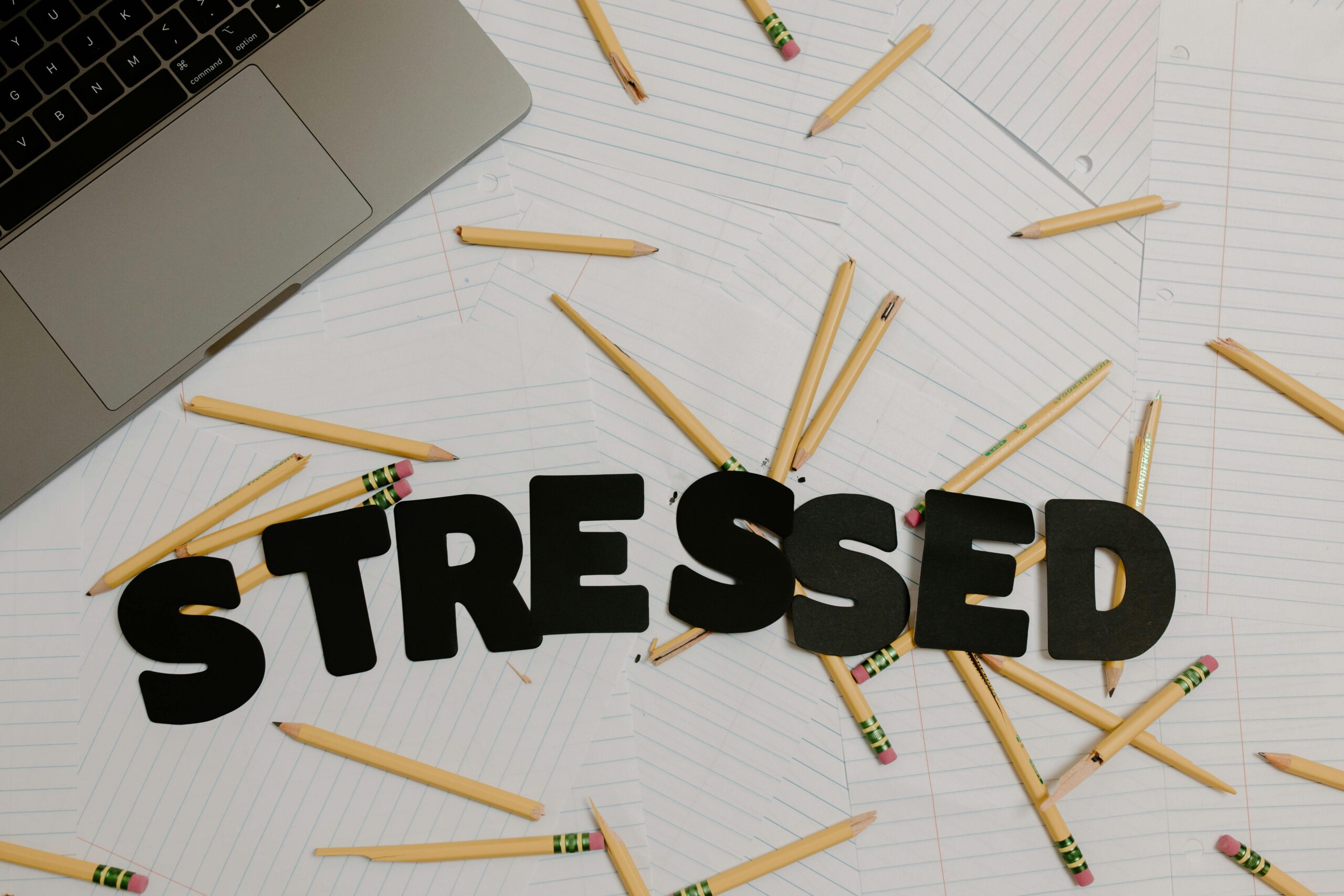
Let’s be honest: the world feels like it’s on fire most days. Between endless work demands, relationship dramas, global crises scrolling past on your phone, and that weird noise your car is making that you’re definitely not ignoring—it’s a miracle any of us are still functioning. Yet some people seem to glide through chaos like they’ve got some secret superpower. Spoiler alert: they don’t. They’ve just figured out how to use emotional intelligence to navigate the storm.
And before you roll your eyes thinking this is going to be some fluffy “just breathe and manifest” nonsense, hear me out. Australian research has proven that emotional intelligence isn’t just corporate jargon—it’s the difference between drowning in stress and actually staying afloat when everything hits the fan.
The Science of Not Losing Your Mind
Here’s what researchers have discovered: people with higher emotional intelligence don’t experience less stress (sorry, life still happens to everyone). Instead, they’re significantly better at managing it. A comprehensive study of Australian healthcare students found that emotional intelligence acts as a protective buffer against perceived stress. Those with stronger emotional skills used more adaptive coping strategies and experienced fewer psychological problems, even when facing the same intense pressures as their peers.
Think of emotional intelligence as your internal shock absorber. It doesn’t make the road smoother, but it sure as hell makes the ride less jarring.
The practical implications are huge. Australian researchers Downey, Johnston, Hansen, Birney and Stough demonstrated that how we cope with stress is the key mediator between emotional intelligence and performance outcomes. Students who rated themselves low on emotion management skills gravitational toward maladaptive coping strategies—which basically means they dealt with stress in ways that made everything worse. Meanwhile, those with higher emotional intelligence skills approached problems head-on rather than spiralling into avoidance or emotional meltdowns.
Emotional Intelligence NOT Emotional Suppression
One of the biggest myths about staying calm is that you need to suppress your emotions. Wrong. Dead wrong, actually.
Emotional intelligence isn’t about becoming a robot—it’s about recognizing what you’re feeling, understanding why you’re feeling it, and then deciding what to do about it. Research from La Trobe University examined Australian aged care workers and found that those with higher emotional intelligence delivered better quality care while experiencing improved wellbeing and psychological empowerment. They weren’t ignoring their emotions; they were using them as data.
When you’re stuck in traffic and your blood pressure is spiking, emotional intelligence helps you recognize “I’m frustrated because I’m going to be late and I hate feeling out of control” rather than just white-knuckling the steering wheel and cursing existence. That awareness alone changes everything because now you can actually do something about it—whether that’s calling ahead, taking deep breaths, or accepting what you can’t control.
The Australian Workplace Reality Check
If you think emotional intelligence is just nice-to-have, recent data shows over 70% of Australian companies now include emotional intelligence assessment in their hiring and development processes. Why? Because teams with higher emotional intelligence handle stress better, adapt to change more effectively, and support each other through challenges—all of which translates to reduced burnout and stronger retention.
A Victorian aged care study confirmed that emotional intelligence predicts employees’ psychological empowerment, wellbeing, and quality of work in statistically significant ways. This isn’t theoretical—it’s measurable, bottom-line impact.
Translation: the ability to stay calm under pressure isn’t just good for your mental health. It’s good for your career, your relationships, and pretty much every area of your life where other humans are involved (which is… all of them).
Five Action Steps to Build Your Emotional Intelligence Arsenal
Alright, enough theory. Here’s what you can actually do:
1. Practice the 5-4-3-2-1 Grounding Technique
When chaos hits and your mind starts spiralling, this sensory exercise brings you back to the present moment. Identify: 5 things you can see, 4 things you can hear, 3 things you can touch, 2 things you can smell, and 1 thing you can taste. Research shows grounding techniques produce measurable reductions in physiological stress markers. It works because you’re redirecting your attention from anxious thoughts to concrete sensory information.
Do this when you feel anxiety rising at your desk, before a difficult conversation, or anytime you notice your thoughts racing. The beauty is it’s completely invisible—no one knows you’re doing it.
2. Learn Your Stress Signature
Start tracking what actually triggers your stress responses. Australian research reveals that people with high emotional intelligence are better at identifying their emotional patterns, which allows them to intervene before full meltdown mode.
Keep a simple note on your phone for one week. When you feel stressed, jot down: What happened? What am I feeling? What physical sensations am I noticing? You’ll start seeing patterns—maybe Sunday evenings wreck you, or certain people consistently drain your energy, or hunger makes everything feel catastrophic (spoiler: it does for everyone).
Once you know your patterns, you can plan around them. Revolutionary concept, right?
3. Build Your Coping Strategy Toolkit
Research identifies three main coping types: problem-focused (addressing the actual issue), emotion-focused (managing your feelings about it), and avoidant (pretending it doesn’t exist). You need all three at different times, and emotional intelligence means knowing which one to deploy when.
Create your personal toolkit:
- Problem-focused: Breaking tasks into smaller steps, asking for help, researching solutions
- Emotion-focused: Deep breathing, talking to a friend, physical exercise, journaling
- Strategic avoidance: Sometimes you legitimately need to table something and come back to it later (this is different from denial)
The mistake most people make is using the same strategy for everything. Emotional intelligence means matching the strategy to the situation.
4. Practice Box Breathing Daily
This isn’t woo-woo—it’s neuroscience. Studies show deep breathing exercises produce statistically significant changes in heart rate variability, a key marker of stress resilience. The technique: Breathe in for 4 counts, hold for 4, breathe out for 4, hold for 4. Repeat for 2-3 minutes.
Here’s the key: practice when you’re calm, not just during crises. Your brain needs to learn this pattern when it’s not flooded with cortisol. Think of it like a fire drill—you don’t want the first time you practice evacuating to be when the building’s actually burning.
5. Conduct Weekly Emotional Intelligence Check-ins
Every Sunday evening (or whatever day works), spend 10 minutes asking yourself:
- What stressed me out this week?
- How did I handle it? What worked? What didn’t?
- What patterns am I noticing?
- What’s one thing I can do differently next week?
Longitudinal Australian research shows emotional intelligence increases over time with consistent practice and reflection. This isn’t a personality transplant—it’s a skill you build through deliberate attention.
Emotional Intelligence Reality Check
Here’s the uncomfortable truth: emotional intelligence won’t eliminate stress from your life. Your job will still be demanding. People will still be difficult. The world will continue being chaotic.
But what changes is your relationship to all of it. Instead of being hijacked by every stressor, you develop the capacity to pause, assess, and respond thoughtfully. You stop burning emotional energy on things you can’t control. You get better at recognizing when you need help and actually asking for it.
Research confirms that healthcare professionals with higher emotional intelligence show significantly better stress management and enhanced resilience even in high-pressure environments. They’re not superhuman—they’ve just trained different neural pathways.
Start Small, Build Consistently
Look, you’re not going to transform into a zen master overnight. Anyone promising that is selling something. But if you commit to practicing even one of these techniques consistently, you’ll notice changes within weeks.
Start with grounding exercises when you’re stuck in traffic. Add box breathing while waiting for your coffee to brew. Notice your stress patterns without judgment. Build from there.
The chaos isn’t going anywhere. But your ability to navigate it without losing yourself in the process? That’s entirely within your control. And according to Australian research, it’s one of the most valuable skills you can develop.
So the next time everything feels like it’s falling apart, remember: staying calm isn’t about eliminating the chaos. It’s about building the internal resources to weather it without falling apart yourself.
And that? That’s something worth practicing.